
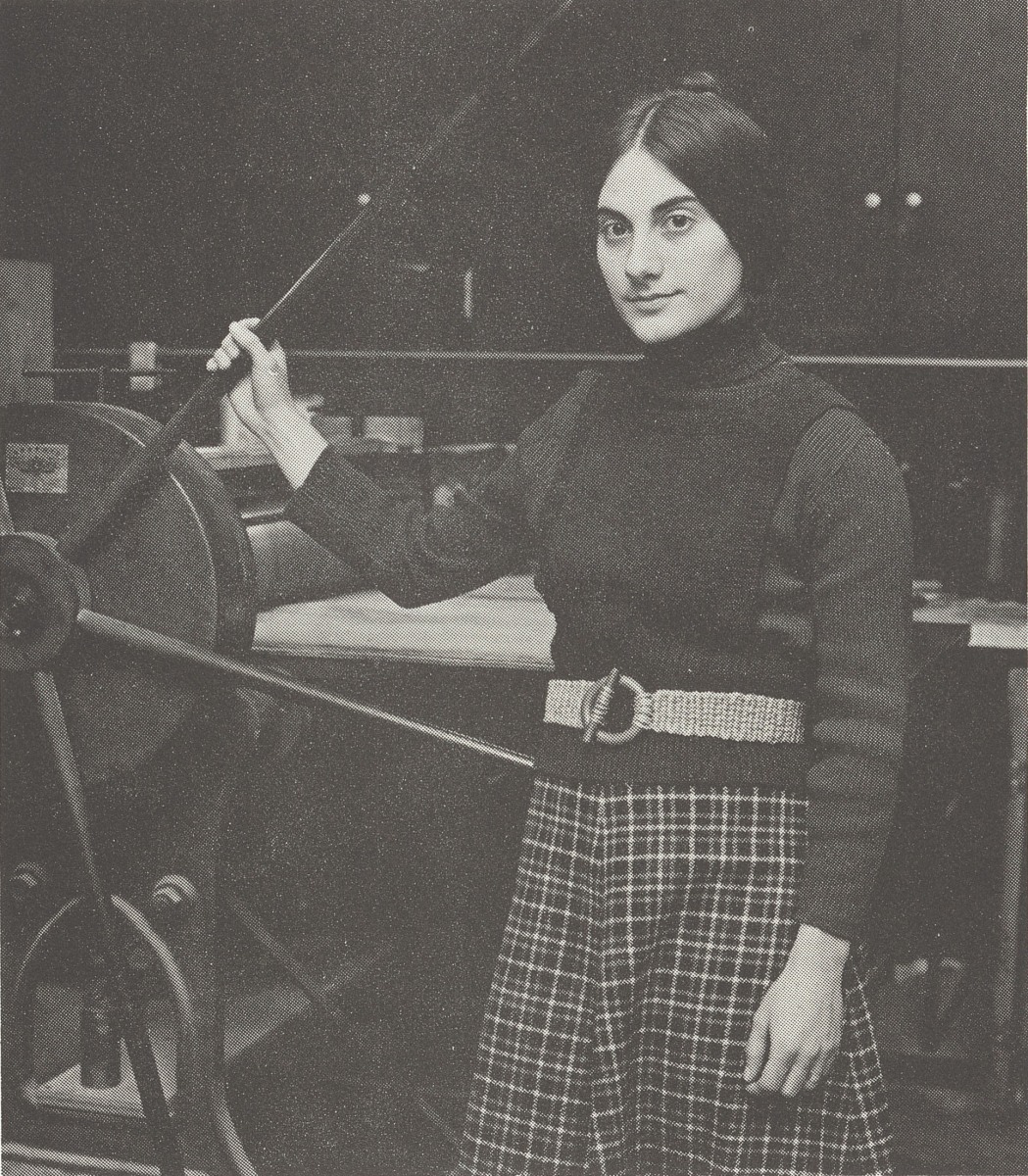
Becky Anne Rogers was born on August 18, 1944, in Little Rock, Arkansas, where she grew up. She earned a Bachelor’s degree in painting and printmaking at the Washington University of Fine Arts in St. Louis in 1966 and spent the next few years teaching art at St. Louis public schools. Around this time, Becky married Charles Witsell, another Arkansas native, who was studying architecture at the same university. They moved back to Little Rock in 1968 so Charles could work for his former mentor, Ed Cromwell, an architect at the forefront of Arkansas preservation. Becky found a job as an artist and taught printmaking, drawing, and painting at the Arkansas Arts Center and the University of Arkansas at Little Rock.
Becky Witsell’s journey to becoming one of Arkansas's preservationists and restoration artists began at home. In 1971, Witsell and her husband bought the Frederick Hanger House from the Urban Renewal Agency. The young couple were not experts in restoration or preservation. At this point, most of Witsell’s experience was within fine arts and teaching, but she quickly learned and developed new skill sets. Witsell fell in love with restoration work, and in 1978, she left the Arkansas Arts Center to pursue her new passion. She consulted privately for regional museums and school systems before joining with Suzanne Kittrell at Designed Communications. Kittrell and Witsell collaborated on numerous exhibits and restoration projects, including the extensive 1980s restoration of the Lafayette Hotel.
Through these various projects, Witsell learned the importance of paint analysis, and she began to specialize in late 1800s stenciling after discovering the original stenciling hidden in the Hanger House. Due to the often dilapidated condition of the paint and stenciling she encountered, she had to recreate colors that might be difficult or impossible to find. These skills took her to many famous buildings in Little Rock, including the Cornish House, Hotze House, and the Pulaski County Courthouse.
Witsell left Designed Communications in 1988 to head start her own company, Studio Werk. With this new studio, Witsell completed more major projects not only in Little Rock but also across Arkansas and in neighboring states. One of these projects was the Carnton Plantation in Franklin, Tennessee, where she recreated the original 140-year-old wallpaper found in the hallways of the main house. While at Studio Werk, Witsell also began to specialize in creating cloth liturgical pieces for churches, based on or inspired by historical pieces.


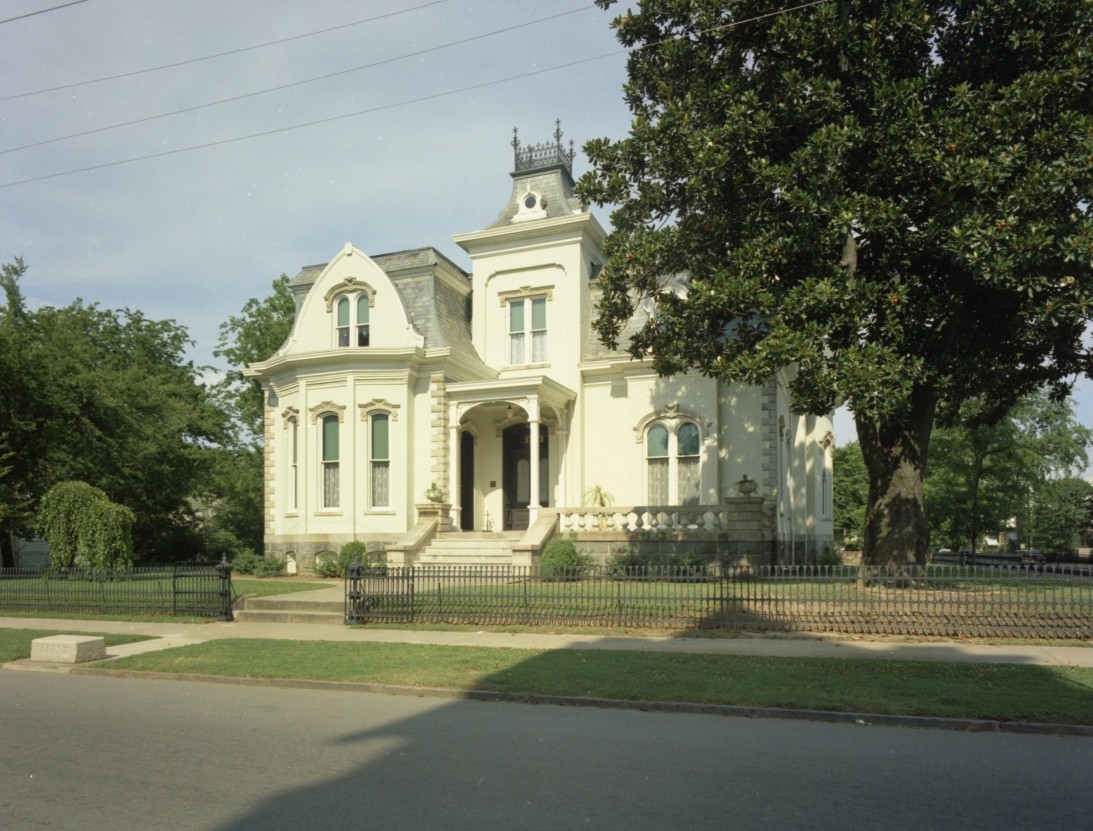
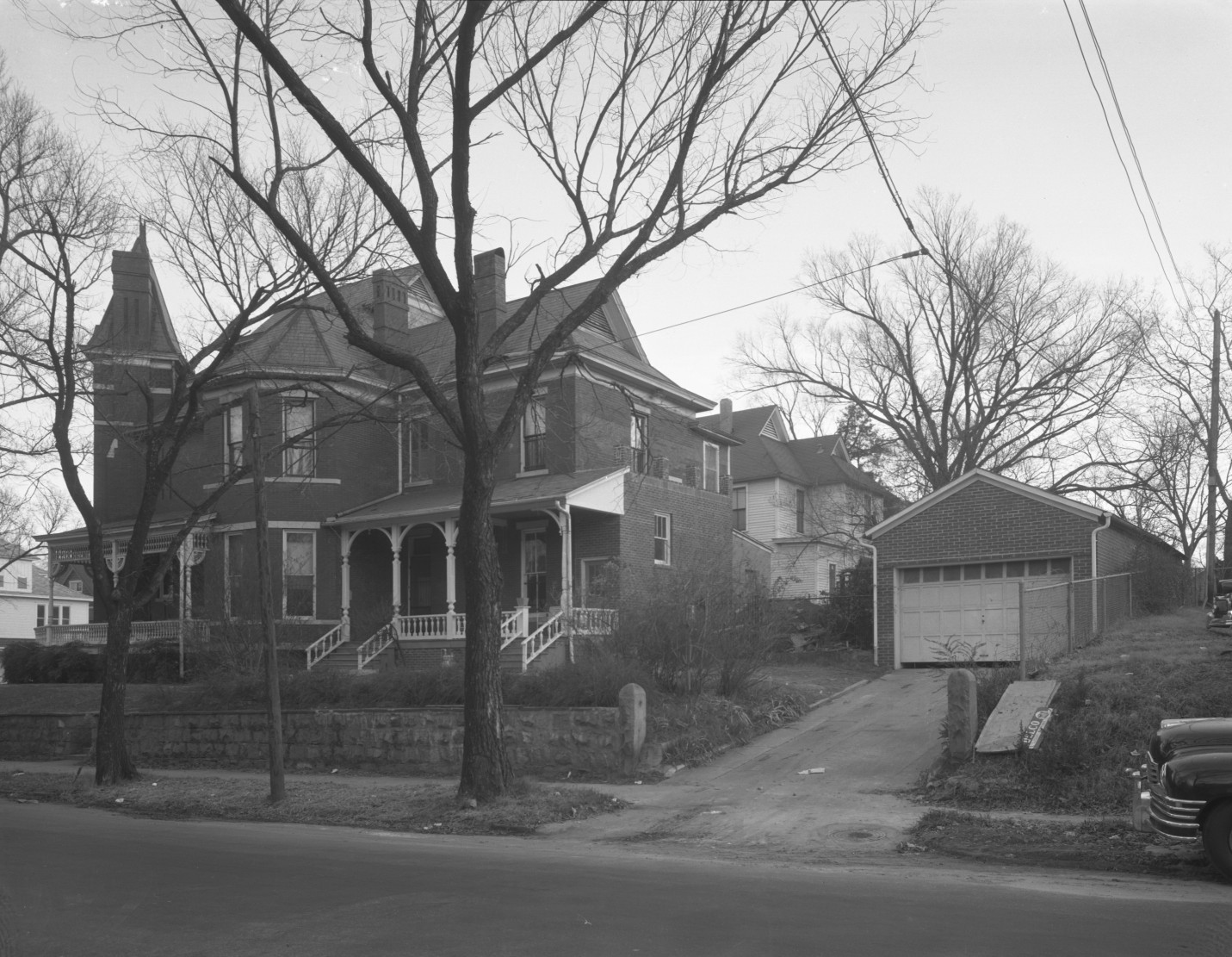
Becky and Charles Witsell bought the Hanger House in Little Rock in 1971 from the Urban Renewal Agency, with the stipulation that they must restore it. The house was an excellent example of 1880s Queen Anne-style architecture. Still, it had been abandoned for years and remained essentially unchanged. With its rich history and architectural significance, the Hanger House presented a unique and challenging opportunity for the Witsells to learn and showcase their restoration skills.
When the Witsells arrived, they found the house cold and dark, as it was heated only by fuel-burning space heaters and gas-powered lighting. The wallpaper hung in shreds off the walls and ceilings, creating a scene so dire that both Charles and Becky’s parents stopped visiting. Becky and Charles finally began to realize what ownership of this house truly meant. The scene was not all horrible, however, as the house still had beautiful 1880s stained glass windows along the stairway that blended into a dome above the stairs. Although the house was uncomfortable with the lack of modern lighting and heating, this also meant that many of the original fixtures could be preserved.
Their first step was to remove much of the wallpaper, and in doing so, Witsell made a discovery that set her on a new career path: 1880s stenciling. When they peeled off the wallpaper, they found faint traces of paint on the back of it. Witsell realized this paint was from the original stenciling that had fused into the back of the wallpaper. There was enough residue to figure out the design, which Witsell began restoring in earnest. She also found that due to the domed and coffered ceilings, the stenciled design was warped or stretched in certain areas. Witsell initially wanted to fix this issue, but eventually reversed her decision and concluded that the artist’s work was as much a part of the original design as the colors and pattern. She traced the stencilling and meticulously recreated the pattern in the dome above the stairway. The Witsells finally opened the Hanger House to the public in 1984, thirteen years after restoration work began. In a 1996 article for the Artistic Stenciler magazine, Becky Witsell remarked, “When the work was completed, the stained glass seemed to extend into the ceiling in one celebration of color, pattern, and light, and I had begun my apprenticeship as a decorative painter.”
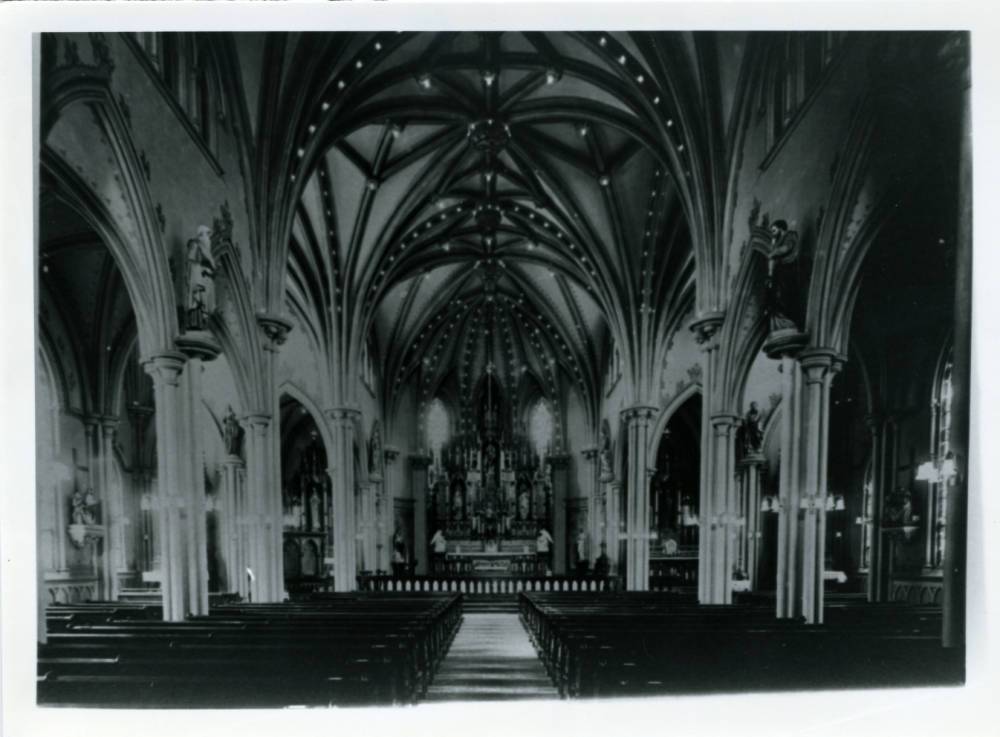
From 2004 to 2009, Witsell and Studio Werk undertook the extensive restoration of the Cathedral of Saint Andrew. This 1878 Gothic Revival cathedral stands as one of downtown Little Rock’s landmarks and remains an active place of worship. Witsell’s preservation and restoration work focused on the cathedral’s interior, from the floors to the ceiling. She took hundreds of photographs, noting the damaged and fading tiles, especially on the floor of the apse. Witsell analyzed the remaining paths of paint, which in some cases were hidden under other layers of paint and plywood. After researching each feature extensively, she drew intricate plans detailing which pieces would receive which types of paint and treatment.
Witsell focused her meticulous attention not only on the building itself, but also on the magnificent Stations of the Cross, fourteen wooden and plaster pieces designed by German-born sculptor Joseph Sibbel. Witsell restored the wood, mended chipped pieces, and replaced the figures’ broken appendages, such as a foot and fingers. Her keen eye for detail allowed her to recreate the original textures and colors that had faded over time, breathing new life into the stations.


In the 1980s, Witsell and her partner, Suzanne Kittrell, at Designed Communication, worked on a significant restoration and remodeling project for the Lafayette Hotel in Little Rock. After almost a decade of abandonment, the illustrious 1920s hotel was purchased by investment bankers, who hired Witsell, Evans & Rasco, Charles Witsell’s architectural firm, to renovate the building for office use. Witsell, Evans & Rasco, in turn, brought in Designed Communications.
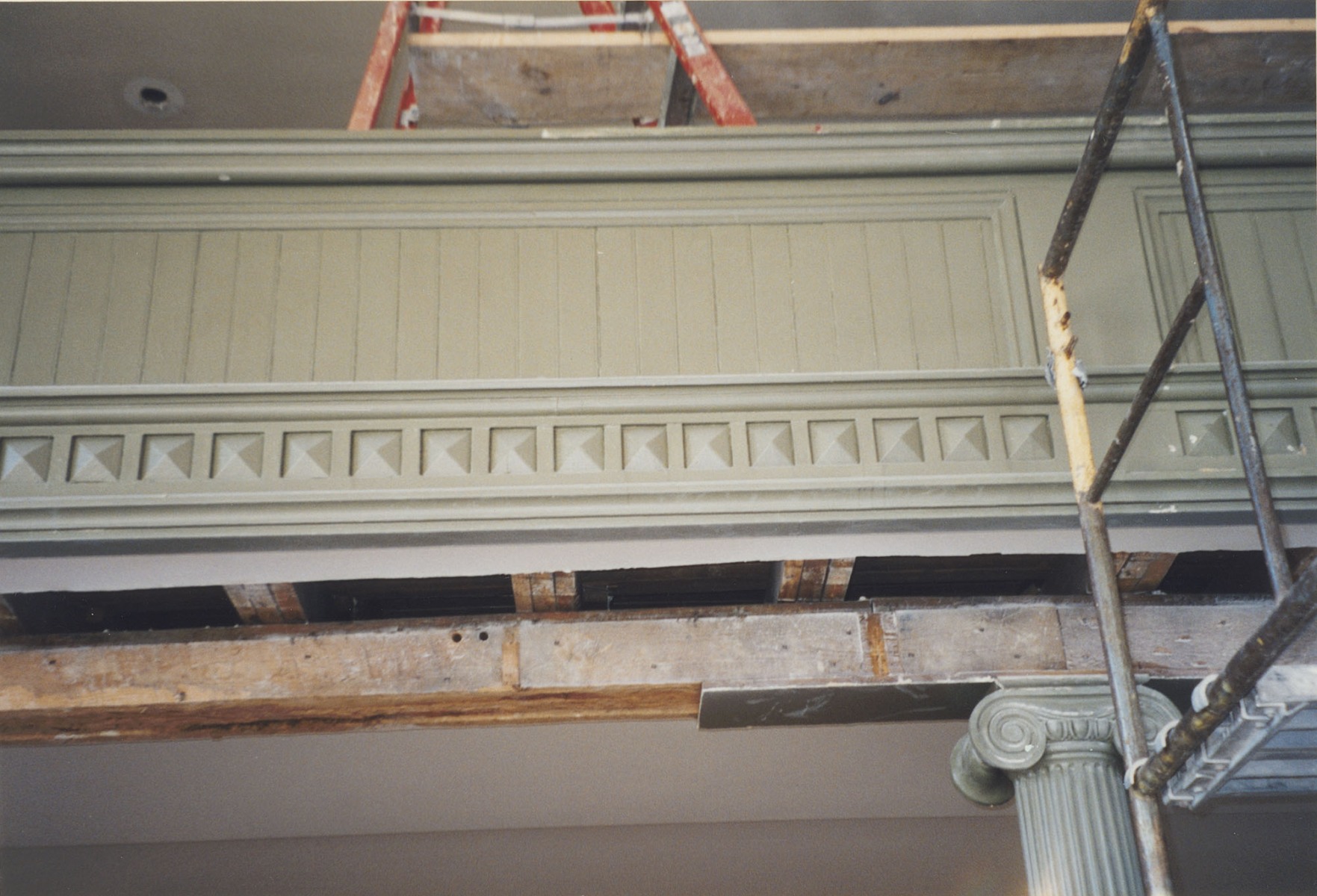
This restoration was another significant project for Witsell and Kittrell. The duo approached the project with a deep respect for the building’s history, meticulously researching its original design and decorative elements. Their work included restoring the grand lobby’s ornate moldings and recreating the intricate stenciling patterns that adorned the walls. The work they recreated was completed by John Oehrlie, a mural painter from Switzerland. Oehrlie and his team spent eight months working on the hotel, with three of those months almost solely dedicated to the ceiling. Like Oehrile, Witsell, and Kittrell brought in a team of local artists to assist in the work, including Ovita Goolsby, Kathy Worthen, Susan Purvis, and Susan Leir, and they spent a year restoring the intricately designed ceiling of the lobby.
The completion of the Lafayette Hotel further solidified Witsell’s reputation as a leading figure in the field of preservation and restoration in Arkansas, showcasing her commitment to maintaining the historical integrity of the state’s architectural heritage. This restoration brought new life to the hotel and revitalized interest in the surrounding area.
Through her many years in the field, Becky Witsell compiled an impressive resume of fine arts and restoration work. Her work has been featured in numerous exhibitions and published in books and art restoration periodicals. She received various awards, sometimes alongside her husband, Charles, including the Quapaw Quarter Certificate of Merit, the Historic Preservation Alliance of Arkansas Award for Outstanding Work by Craftspersons, and the 2004 Historic Preservation Alliance of Arkansas Parker Westbrook Award for Significant Individual Achievement. In 2005, the Historic Preservation Alliance of Arkansas received numerous donations in honor of the Witsells that were combined into an endowment for preservation education and training. In a 2010 interview with Little Rock Soirée, Witsell stated that, after thirty years in the restoration field, she would return to the fine arts and utilize the painting methods she had acquired over the years. Throughout her career, Becky Rogers Witsell saved and meticulously restored dozens of buildings throughout Arkansas to their original glory. As a result, visitors can step back in time and immerse themselves in the state’s artistic heritage.
Other Notable Works
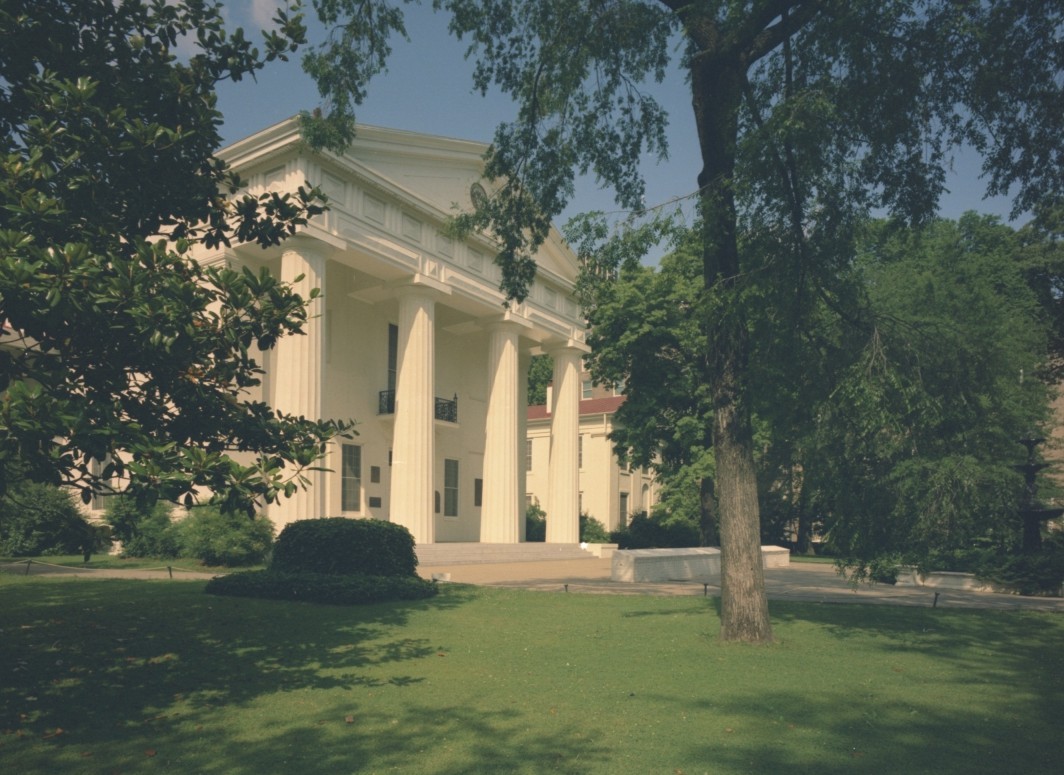
- Old State House (Little Rock, Ark.)
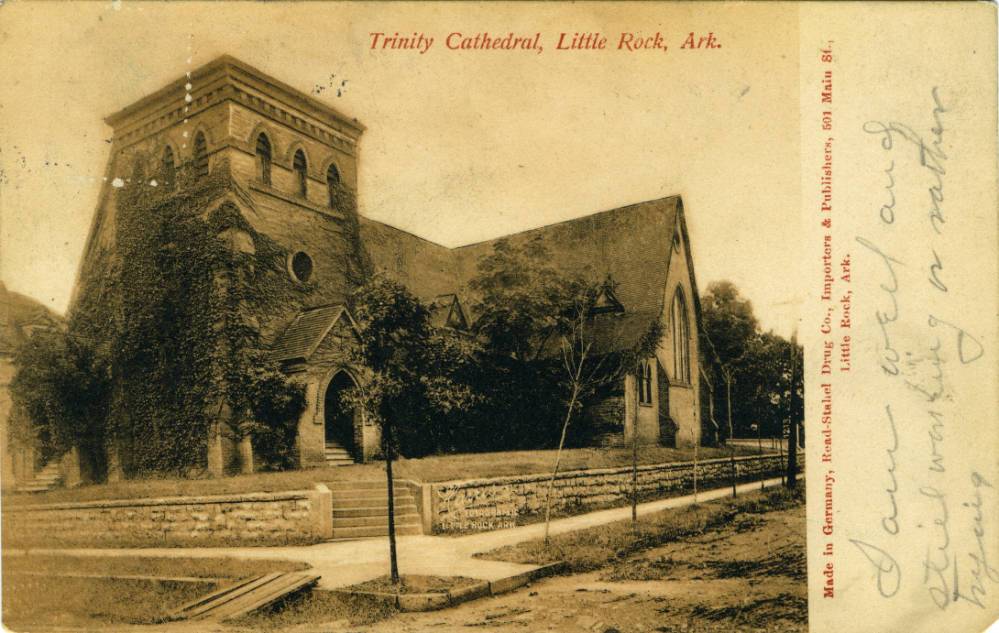
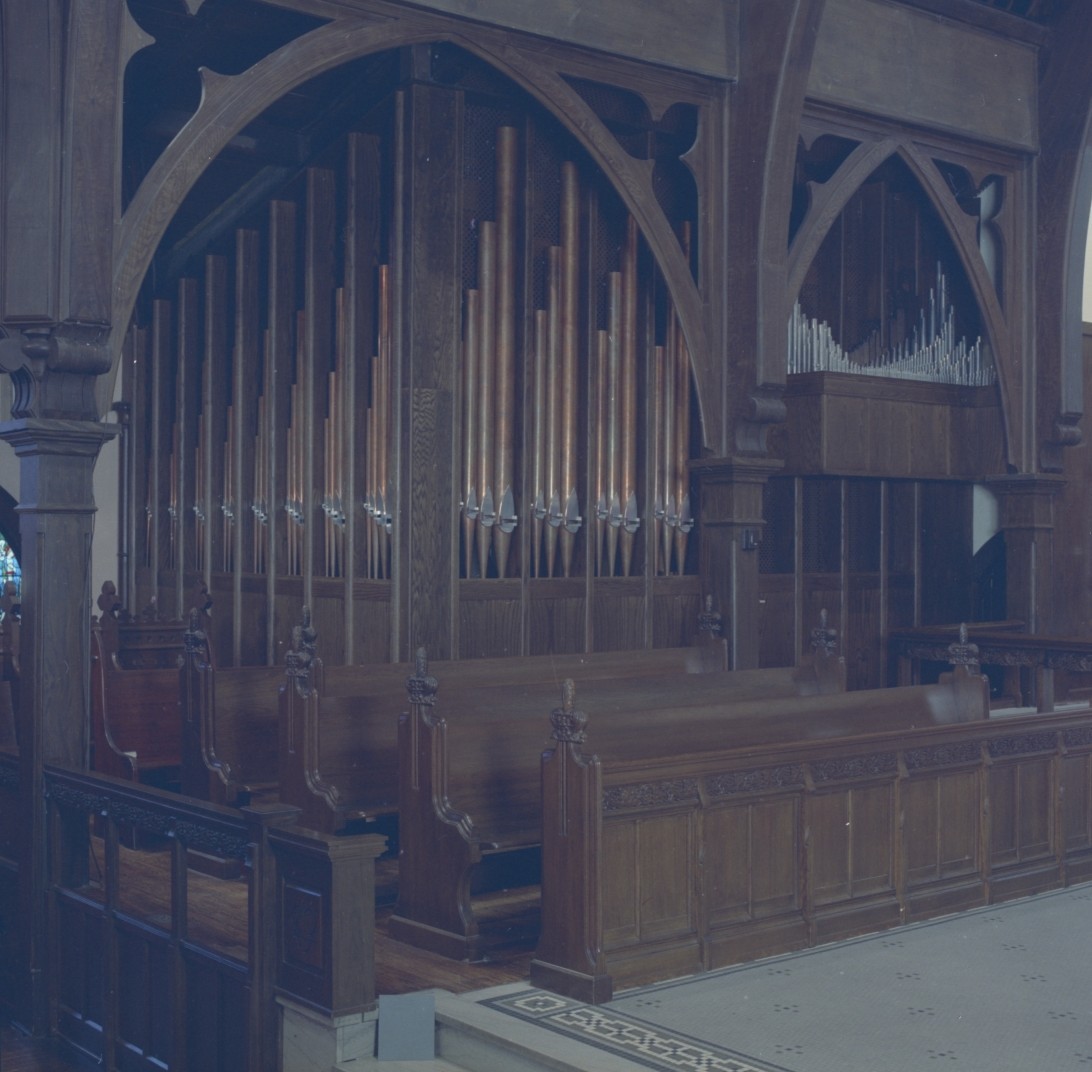
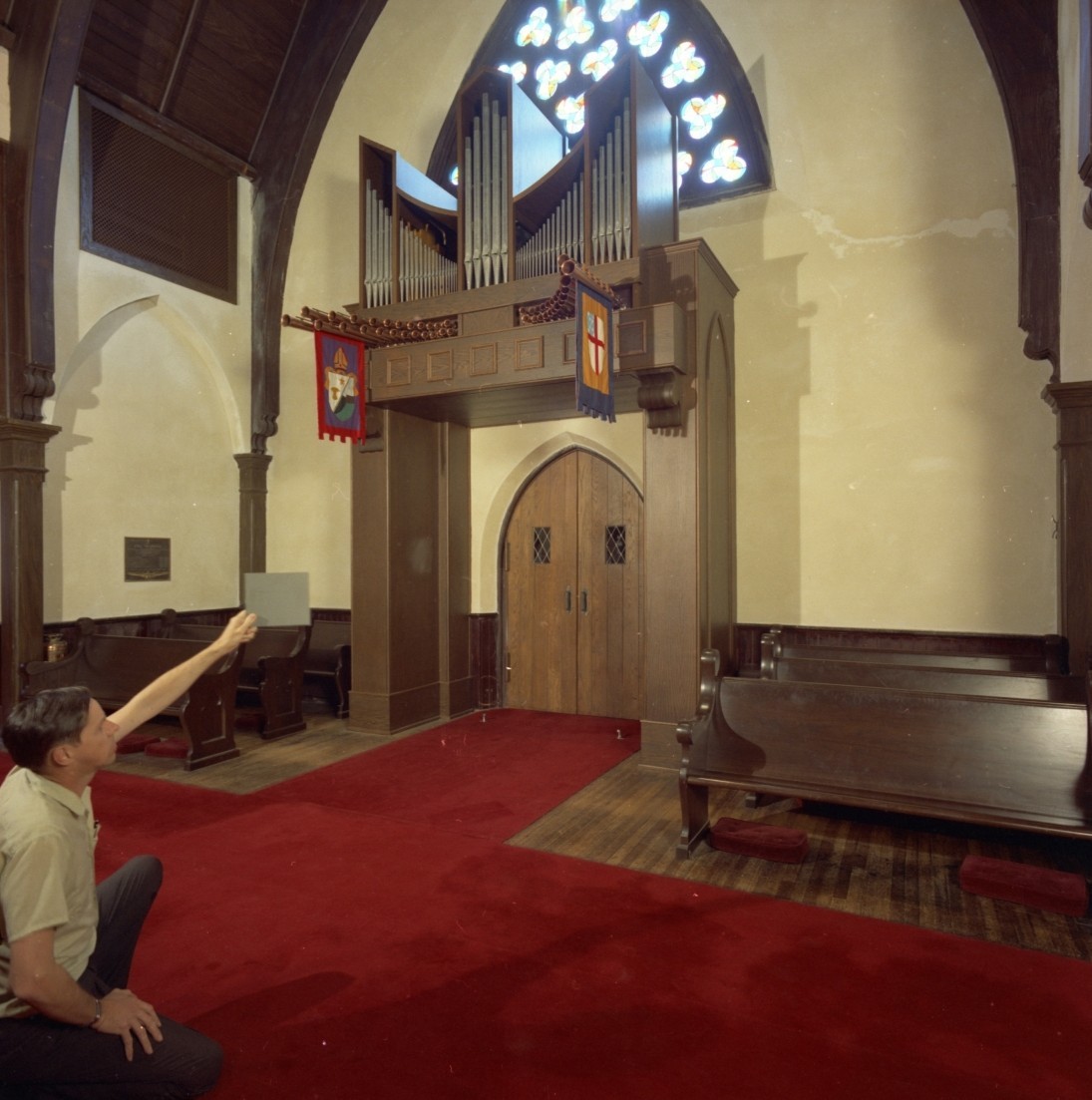
- Trinity Episcopal Cathedral (Little Rock, Ark.)
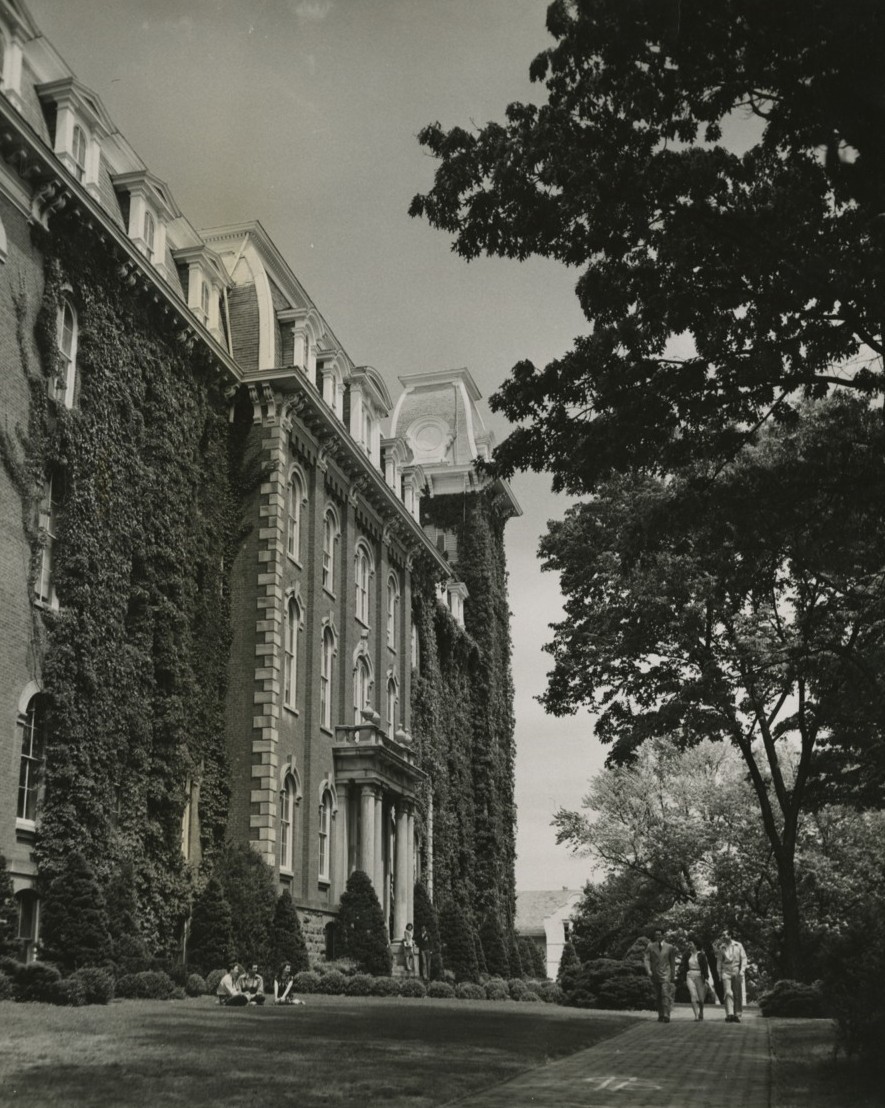
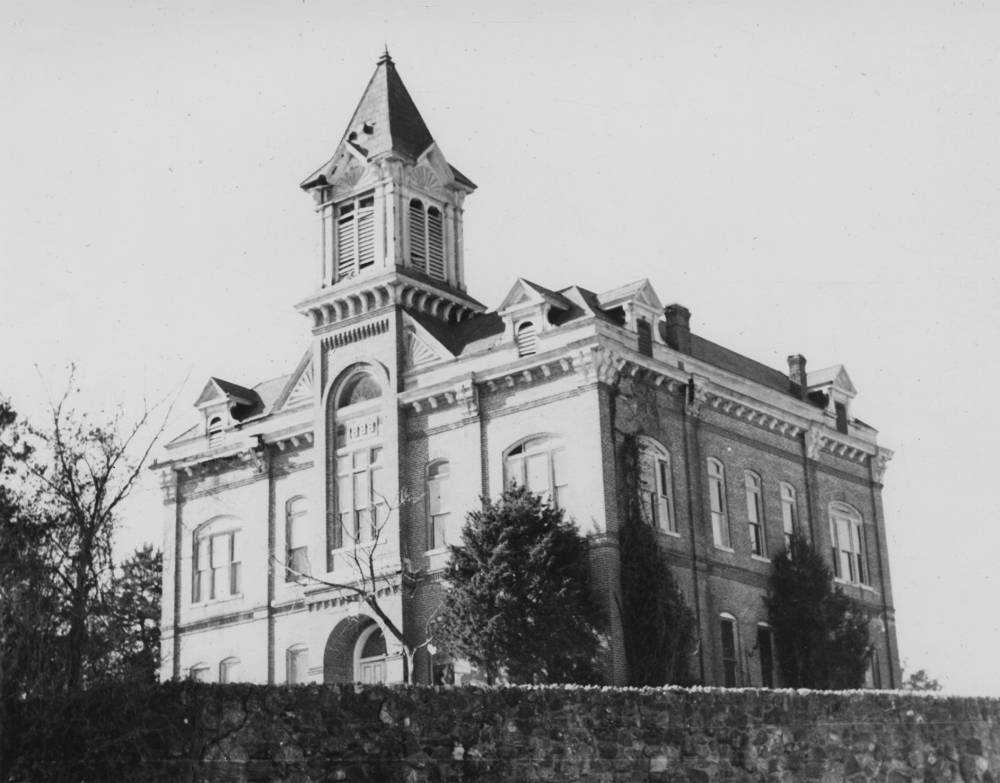
- Old Main at the University of Arkansas (Fayetteville, Ark.)
- Moore-Hornor House (Helena, Ark.)
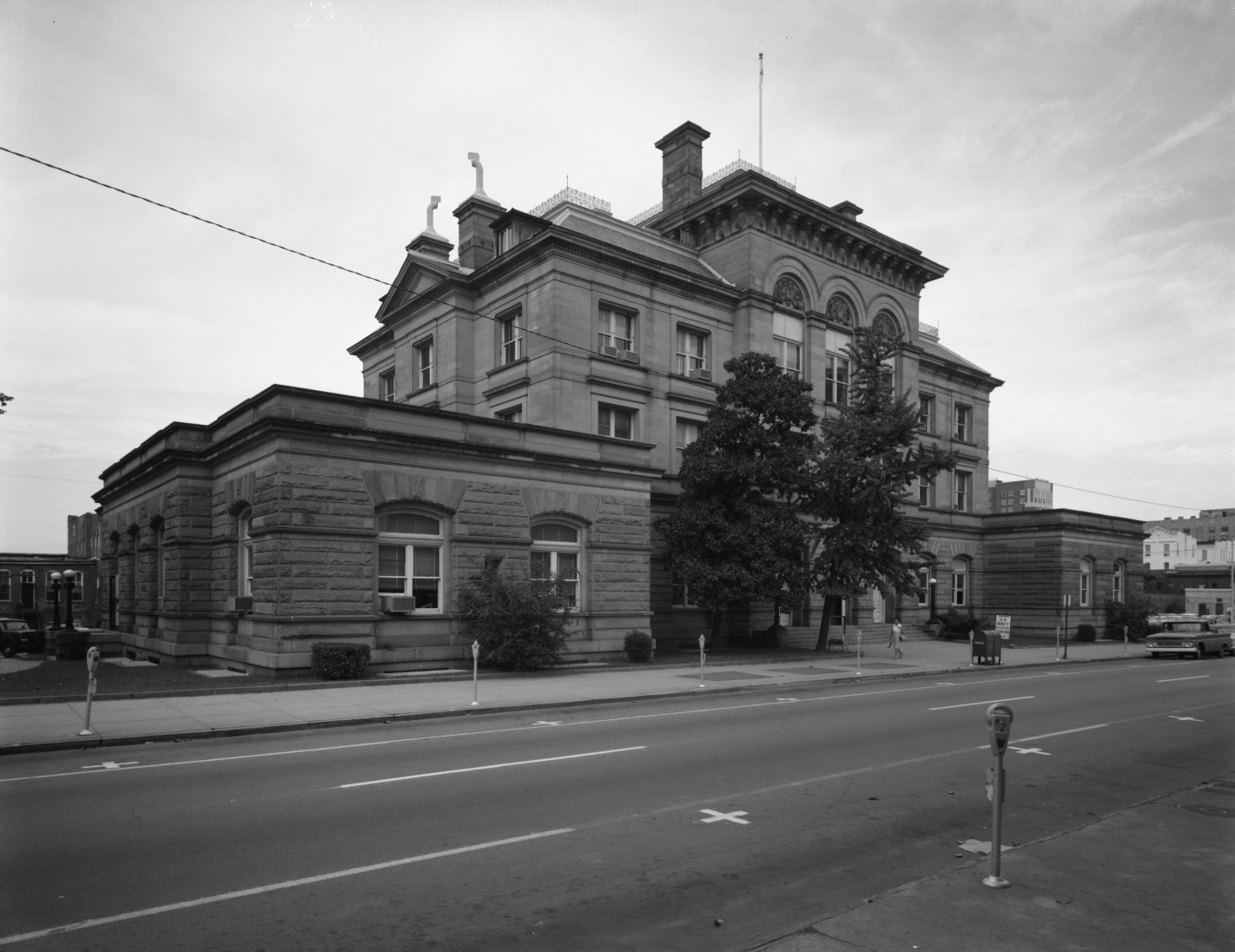
- Pulaski County Courthouse (Little Rock, Ark.)
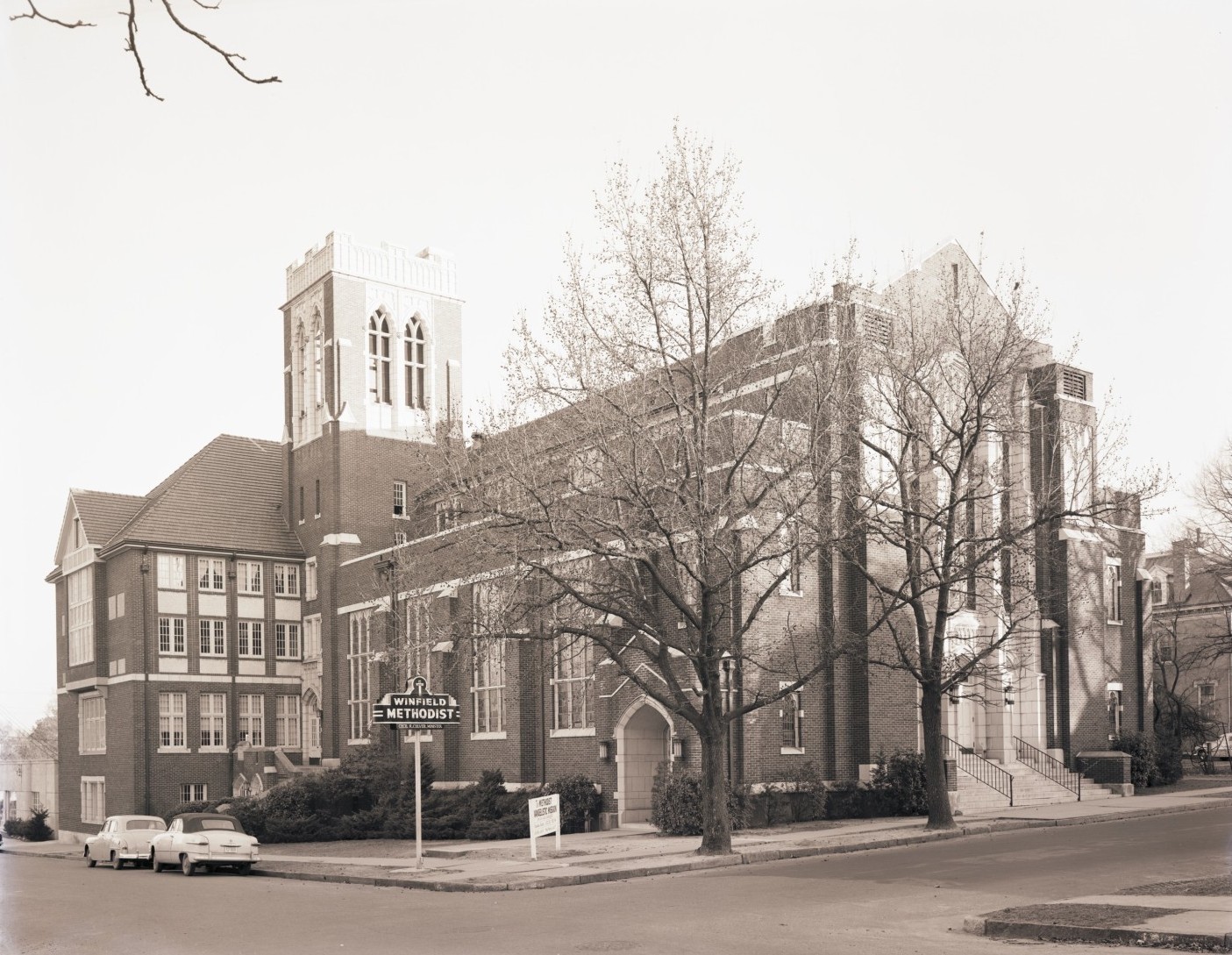
- Winfield Methodist Church (Little Rock, Ark.)
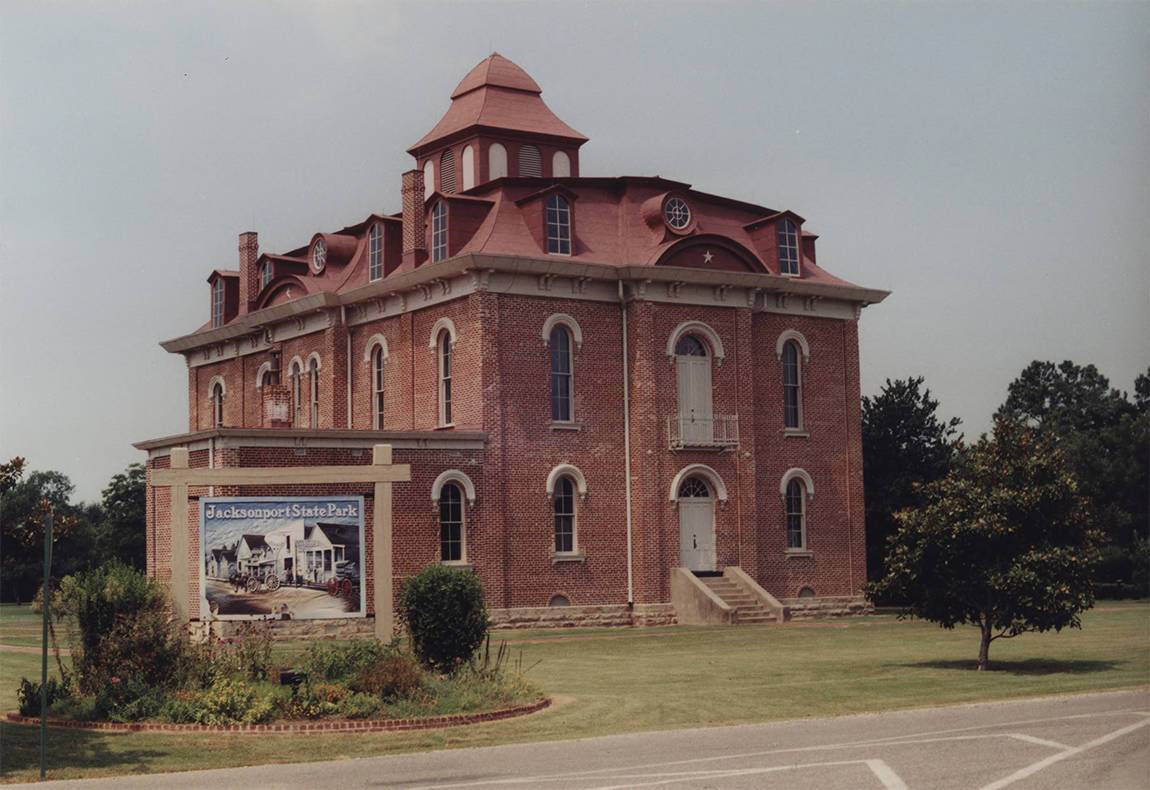
- Jacksonport State Park (Jacksonport, Ark.)
- Villa Marre (Little Rock, Ark.)
- James A. Dibrell (Little Rock, Ark.)
- Scott Plantations Settlement (Scott, Ark.)
- Peter Hotze House (Little Rock, Ark.)
- Lakeport Plantation (Lake Village, Ark.)
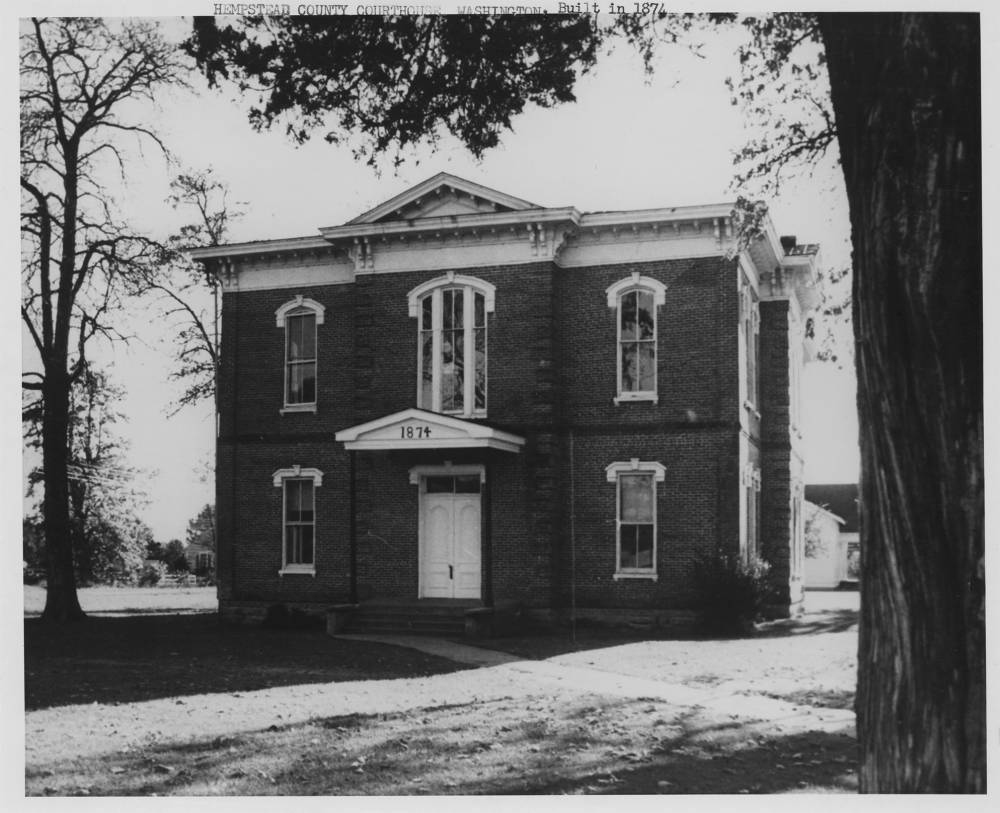
- Old Washington State Park (Hempstead County, Ark.)
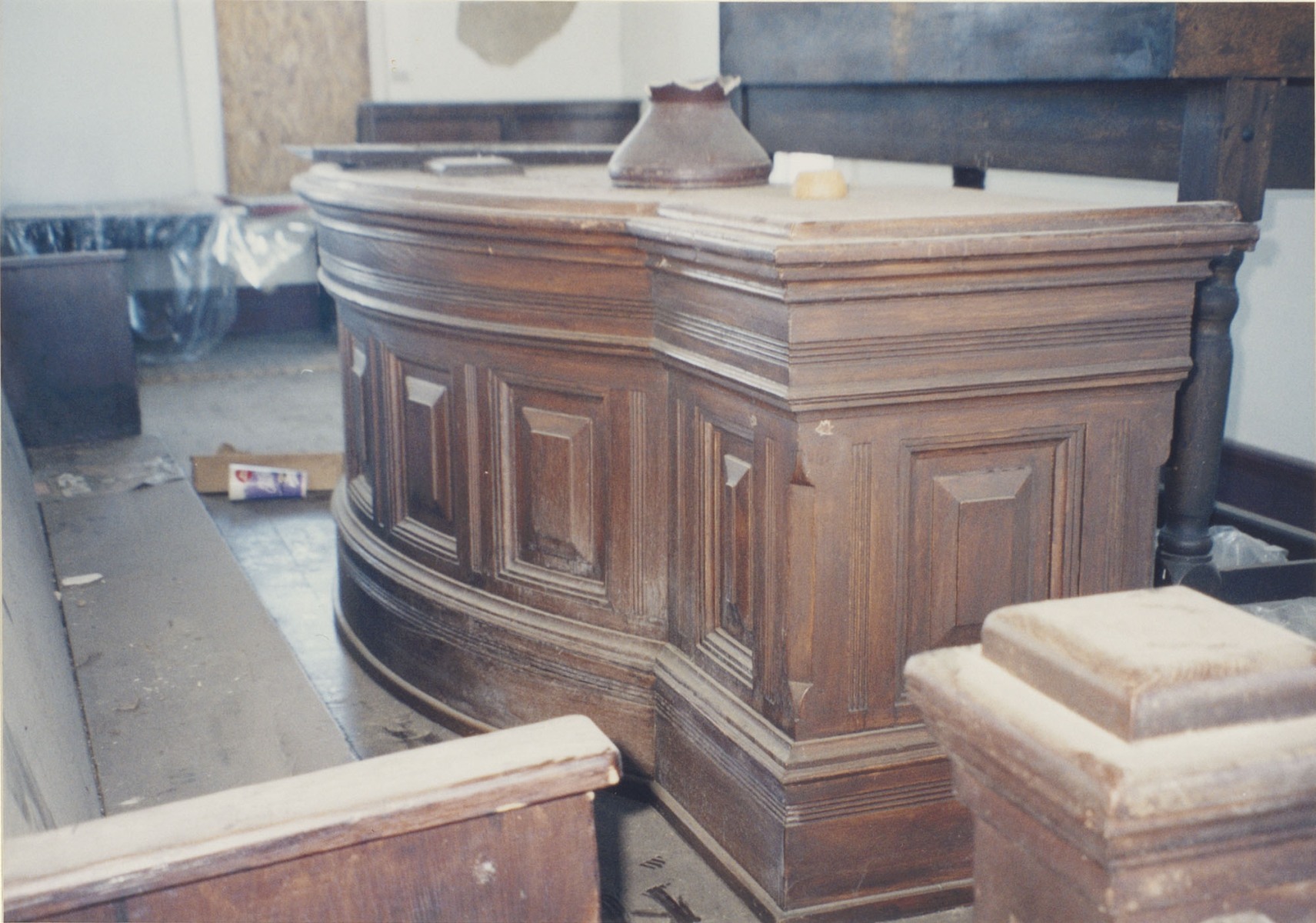
- Powhatan Courthouse (Powhatan, Ark.)
Bibliography
Caillouet, Linda S. “Rebecca Anne Rogers Witsell.” Arkansas Democrat Gazette (Little Rock, AR), November 28, 1993
Becky Rogers Witsell papers, 1966-2009, UALR.MS.0190. UA Little Rock Center for Arkansas History and Culture, Little Rock, AR.
Harrison Arkansas Democrat-Gazette, Eric E. "Madeline colorful challenge for designers." Arkansas Democrat-Gazette (Little Rock, AR), 29 April 2005
Hart, Josh. “Cathedral of St. Andrew.” Encyclopedia of Arkansas, Encyclopedia of Arkansas, 3 July 2025, https://encyclopediaofarkansas.net/entries/cathedral-of-st-andrew-5325/.
Hoelzeman, Amanda. “Becky Witsell Creates Symmetry with the Historic Preservation Alliance of Arkansas.” Little Rock Soirée, Little Rock Soirée, 27 Dec. 2010, www.littlerocksoiree.com/post/22767/becky-witsell-creates-symmetry-with-the-historic-preservation-alliance-of-arkansas.
Koch, S. “Artisan's niche 'was a natural way to go'.” Arkansas Democrat-Gazette (Little Rock, AR), 24 May 2002
“LR Agency Sells Hotel Lafayette to Firm from California; Renovation to Continue.” Arkansas Democrat Gazette (Little Rock, AR), November 4, 1984
Nelson, Rex. “Lafayette Hotel.” Encyclopedia of Arkansas, Encyclopedia of Arkansas, 18 Apr. 2025, https://encyclopediaofarkansas.net/entries/lafayette-hotel-8029/.
O’Neal, Rachel. “Rooms in State Capitol Get Face Lift.” Arkansas Democrat Gazette (Little Rock, AR), September 4, 2000.
Silva, Rachel. “Sandwiching in History Cathedral of Saint Andrew.” Arkansas Heritage, Arkansas Heritage, 10 Jan. 2014, www.arkansasheritage.com/docs/default-source/ahpp-documents/sandwiching-tour-scripts/cathedral-of-saint-andrew-tour-script-2014-(1).pdf?sfvrsn=de753472_4.
Witsell, Charles. “Frederick Hanger House.” Encyclopedia of Arkansas, Encyclopedia of Arkansas, 18 Apr. 2025, https://encyclopediaofarkansas.net/entries/frederick-hanger-house-2109/.
Author Bio
Cole Hadden is an extra help assistant at UA Little Rock Center for Arkansas History and Culture. He completed a BA in History with the Donaghey Scholars Program at UA Little Rock in 2024. He will attend the University of York in England in 2025 to pursue a master’s degree in Public History.
Released September 2025